
November 7, 2024
Enhancing Dementia Care at Home with Assistive Technology
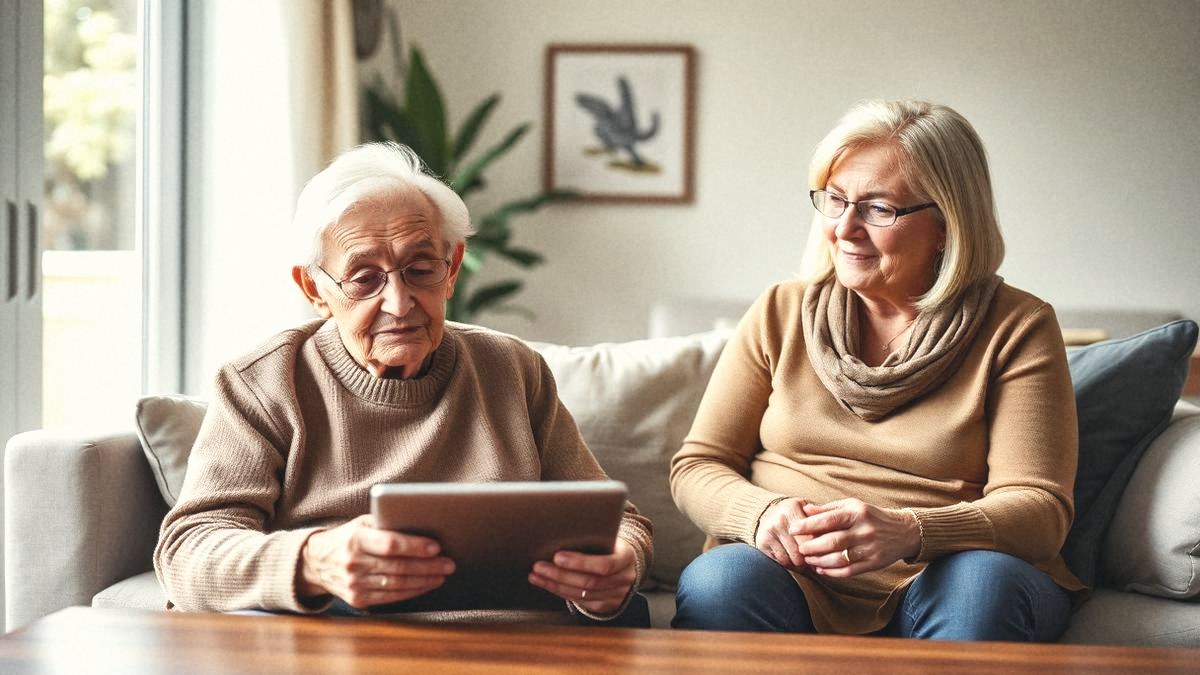
Caring for a loved one with dementia can be one of the most challenging and emotionally demanding roles, but it's a journey no carer should face alone.
In Australia, dementia affects hundreds of thousands of families, and for carers, the daily challenges can often feel overwhelming. However, assistive technology is proving to be a game-changer, offering essential tools to ease the burden and improve the quality of life for both those living with dementia and their carers.
The Challenges of Caring for Someone with Dementia
Caring for someone with dementia is a deeply rewarding but equally exhausting responsibility. Carers must often contend with more than just the physical needs of the person they care for; the emotional toll can be immense. Many carers face:
- Isolation: Caring can be an isolating experience, as others may not fully understand the unique challenges of dementia care.
- Navigating Complex Healthcare Systems: Accessing the right support services and medical care can feel like navigating a maze.
- Financial Stress: Dementia care can be expensive, including medications, specialised treatments, and home modifications.
- Progressive Losses: As dementia progresses, carers must constantly adapt to new challenges and the emotional weight of witnessing their loved one's decline.
Understanding Dementia: Beyond Memory Loss
Many people think of dementia as simply "forgetting things," but it is much more than that. Dementia is an umbrella term for several conditions that affect brain function, impacting memory, thinking, behaviour, and the ability to perform everyday tasks.
Types of Dementia
- Alzheimer's Disease: The most common form, slowly damaging memory and cognitive abilities.
- Vascular Dementia: Caused by reduced blood flow to the brain, often after a stroke.
- Lewy Body Dementia: Characterised by hallucinations, difficulty thinking clearly, and movement issues similar to Parkinson's disease.
Contrary to popular belief, dementia is not a natural part of ageing. While the risk increases with age, it is caused by diseases affecting the brain. In some cases, younger people in their 40s or 50s can develop younger-onset dementia.
Who are the Carers?
When we talk about "carers," we're referring to anyone providing unpaid support to a person with dementia. This might be a spouse, child, friend, or neighbour. Many people don't identify themselves as carers, thinking of themselves instead as a loving partner or loyal friend. But their contributions are indispensable.
The Role of Assistive Technology
Assistive technology can be a lifeline for carers and people living with dementia. Devices like the Lumin OneTouch tablet are designed to reduce social isolation and provide practical assistance. OneTouch makes it easy for users to connect with family and friends through video calls or messaging, helping them stay engaged and socially active. The tablet also features a dementia clock, family photo sharing and call auto-answering.
Carers receive alerts via a free Supporters App which also allows direct communication to the user's OneTouch screen. Optional 24/7 monitoring and emergency services by a trained call centre is also available. OneTouch can help individuals manage medications, appointments, and daily routines, promoting independence and providing peace of mind for carers.
The Benefits of Staying Connected
Social isolation can worsen the symptoms of dementia, but staying connected to loved ones can help. Staying socially and mentally engaged is like exercise for the brain. The more active the brain is, the better it can handle the challenges of dementia. For people with dementia, loneliness can increase stress, making cognitive decline worse. However, by maintaining strong social connections, carers can help slow the progression of the disease.
Self-Care: The Foundation of Effective Caregiving
Caring for someone with dementia is a demanding role, and it's easy for carers to neglect their own needs. However, self-care is essential. Getting enough rest, eating healthily, exercising, and finding moments of relaxation are all vital for maintaining a carer's physical and emotional well-being.
Carers can only provide the best care if they also take care of themselves. Support networks, whether through family, friends, or professional services, are crucial in making this possible.
Caring for someone with dementia can feel like an uphill battle, but with the right knowledge, resources, and assistive technology, it's a journey that no carer has to face alone. Together, we can make a difference.
Subscribe for updates
Get new articles and insights from Lumin delivered to your inbox.