
July 20, 2026
They bought an emergency call system. Six years later it runs three retirement villages.
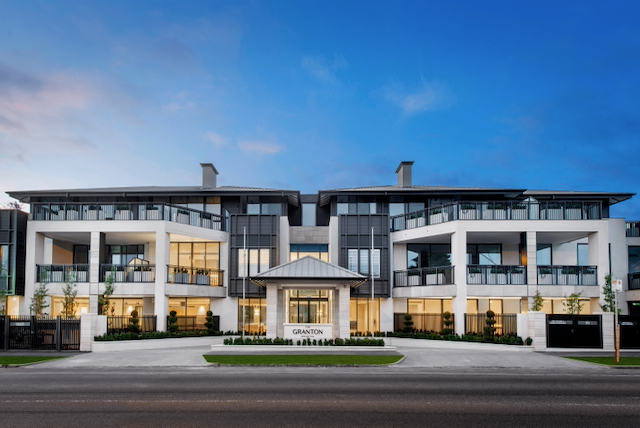
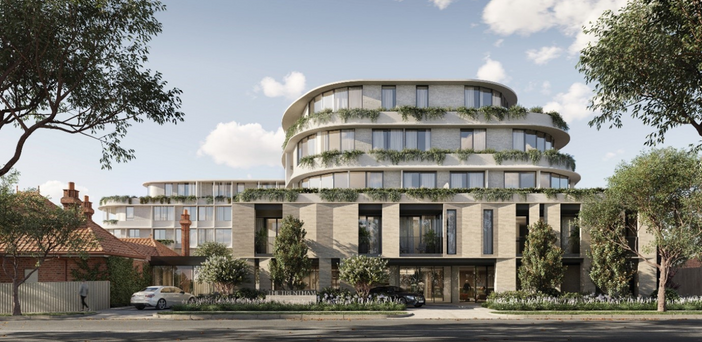
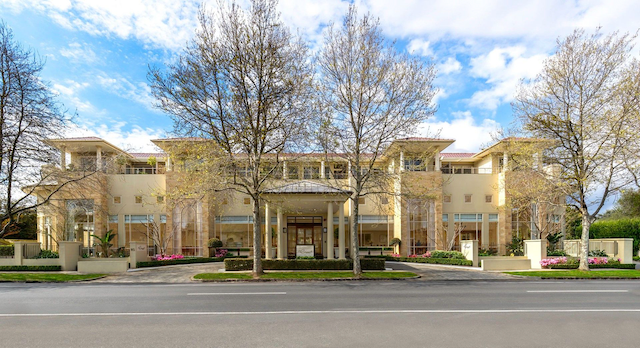
One to Another · The Granton · The Crescent · The Trentham
Most technology decisions in retirement living start with a single problem. For One to Another, more than six years ago, the problem was straightforward: a new village, The Granton, needed an emergency call solution. Alongside it sat a sales motive - the team wanted the village to be cutting edge, technology that would help residents age in place and help apartments sell.
That was the reason in. It is not the reason they stayed.
1+ hr
a day, per village, returned to staff
6+
years on Lumin
172
residents today, growing to 225
~90%
of residents engage with the Lumin CareHub
The benefit that took over
Six years on, the emergency call system does exactly what it was bought to do. But ask the operator what Lumin has actually changed, and the answer is communication.
Before Lumin, getting a message to every resident meant printed notices, door drops, noticeboards and follow-up phone calls to make sure people had read them. Now it goes out in seconds, to the right group, on a fixed screen in every apartment.
One to Another estimates more than an hour a day per village returned to staff. Around 90% of residents engage with the Lumin CareHub in some way, with only a handful choosing not to. And because residents stay informed, staff field fewer of the routine questions that used to fill the day.
"Our staff are not running around the buildings delivering fifty messages anymore. That time goes back into quality engagement with residents, going narrow and deep where people actually want us."
The discipline is deliberate. The team caps communications at three to four a day, so the important ones never get lost.
Communication is also revenue protection
The dining room is where this stops being a soft benefit. Stevens estimates around 20% of dining attendance is driven by the ease of confirming through Lumin - attendance that would otherwise depend on staff chasing manual reminders. Roughly one dinner service a fortnight is kept at viable numbers by a last-minute Lumin follow-up, rather than being cancelled.
The same pattern holds for activities and events. Booking through the screen lifts attendance and takes the administration off staff.
The adoption problem that never showed up
Anyone who has rolled out resident-facing technology knows the usual story: training sessions, champions, months of confidence-building, and a cohort who never quite get there.
One to Another largely skipped it. The Lumin CareHub is a fixed screen in the apartment - always on, always visible, nothing to download, charge or update.
"By having the screen fixed and visible, where residents cannot break it, we save staff time. If we tried to run this off an app our cohort had to access, the time spent managing IT issues would be significant."
Because emergency response, communication, passive monitoring and smart home run from one platform, there is also less to manage behind the scenes. As Stevens puts it, one number to call when something needs sorting.
In a new build, it's a consolidation decision
The reason in
The Granton needed an emergency call solution - and a technology-forward story to help residents age in place and apartments sell. Lumin was specified at design stage.
The benefit that took over
Printed notices, door drops and follow-up calls became a message reaching every apartment in seconds. Around one dinner service a fortnight is kept viable by a last-minute Lumin reminder.
Specified from day one
New builds already budget for standalone duress (~$600 per apartment) and an intercom call point (~$600) - around $1,200 before smart home or communication. One Lumin CareHub consolidates all of it, and adds passive monitoring.
Two of One to Another's three villages had Lumin specified from the design stage. That changes the commercial shape of the decision entirely.
A new village project is already budgeting for emergency call, intercom and doorbell, smart home infrastructure and some form of resident communication - usually as separate systems, each with its own hardware, cabling, supplier and support contract. Two of those line items make the point on their own: emergency duress commits in the order of $600 per apartment, and an intercom call point a further $600. Those two alone come to around $1,200 an apartment - more than a single Lumin CareHub, which also delivers smart home, passive monitoring and the resident communication and engagement layer that produces the operational results above. One device, specified once at design stage, in place of several.
Consolidation is only half of it. The single device also adds a capability none of those separate line items includes: passive monitoring. Across the One to Another portfolio, the daily check-in it enables has become one of the most valued parts of the platform - more on that below.
"If you tell a prospect you have an app, you see a glazed look over their eyes, you almost look behind the times. Being able to sit them in a display apartment and show them the screen makes Lumin and its benefits easily apparent."
And the model is not greenfield-only. The Crescent, the group's second village, was retrofitted into an established community four years ago and runs on exactly the same footing.
Ageing in place is now the operating environment
Reform in Victoria and New South Wales is raising expectations of what village operators do to support residents to remain well at home. One to Another treats that as a matter of social license, not just compliance.
The daily morning check-in has become central: residents confirm they are up and about, and staff follow up only the exceptions.
"The morning notification gives us peace of mind on the compliance and risk side. It gets us ahead of any potential resident issues."
"There are real challenges now under the Victorian Act around supporting people to age in place. Having one piece of technology that lets us be more involved, without adding resources, is a big part of the future for us."
This is the pattern we see across the Lumin footprint. Operators buy a capability - duress, communication, compliance - and end up with infrastructure for the decade in which ageing in place moves from selling point to obligation.
The takeaway
One to Another now runs three villages on Lumin, with 172 residents growing to 225 as its newest village fills, and a fourth village in planning. Communications are handled centrally by operations staff, leaving village managers to spend their time with residents.
"There is no doubt it has delivered. You take on some risk as an early adopter, but the decision has been justified, and there is still plenty more we can get out of Lumin."
If you are weighing up how one platform could support your residents from independence through to care, we are happy to share what six years of village deployments have taught us.
Key Takeaways
One platform replaces several procurements
Duress (~$600/apt) and an intercom call point (~$600/apt) already commit around $1,200 before smart home or communication. One Lumin CareHub consolidates all of it, with one support number.
Staff time goes back to residents
Broadcast messages and reminders replace door drops and follow-up calls, freeing more than an hour a day per village for quality engagement.
Communication is revenue protection
Around 20% of dining attendance is driven by Lumin confirmations. Roughly one service a fortnight is kept viable by a last-minute reminder.
A fixed screen cuts IT overhead
A visible in-apartment touchscreen avoids the support burden of asking residents to find, install and maintain an app.
Proactive insights lower risk
Morning check-ins and passive monitoring help the team get ahead of resident issues before they become compliance or reputation problems - central under the new Victorian and NSW settings.
Frequently asked questions
How can retirement villages communicate with residents who do not use smartphones or apps?
A fixed in-apartment screen reaches every resident, including those with reduced vision, limited dexterity or early cognitive change who app-based platforms cannot reliably reach. There is nothing to download, charge or update.
How much staff time can a resident communication platform save?
One to Another estimates more than an hour a day per village, before counting the reduction in routine questions from residents who are already informed.
What technology helps retirement village operators support ageing in place?
Platforms that combine emergency response, daily wellbeing check-ins, resident communication and family connection let operators be more involved in resident wellbeing without adding staff.
Why choose one platform over separate duress, communication and smart home systems?
Consolidation means one device in the apartment, one supplier to call, and less IT overhead - and outcomes each system alone cannot deliver, like communication data informing wellbeing follow-up.
What technology should a new retirement village development specify?
New builds typically budget for emergency call, intercom and doorbell, smart home and resident communication as separate systems. Specifying one platform at design stage consolidates those line items into a single device in every apartment, and gives the sales team a visible point of difference in the display suite.
See what this looks like in your village
Register to visit a village in Australia or New Zealand and see Lumin in use - or book a conversation with our team.
Book a DemoSubscribe for updates
Get new articles and insights from Lumin delivered to your inbox.